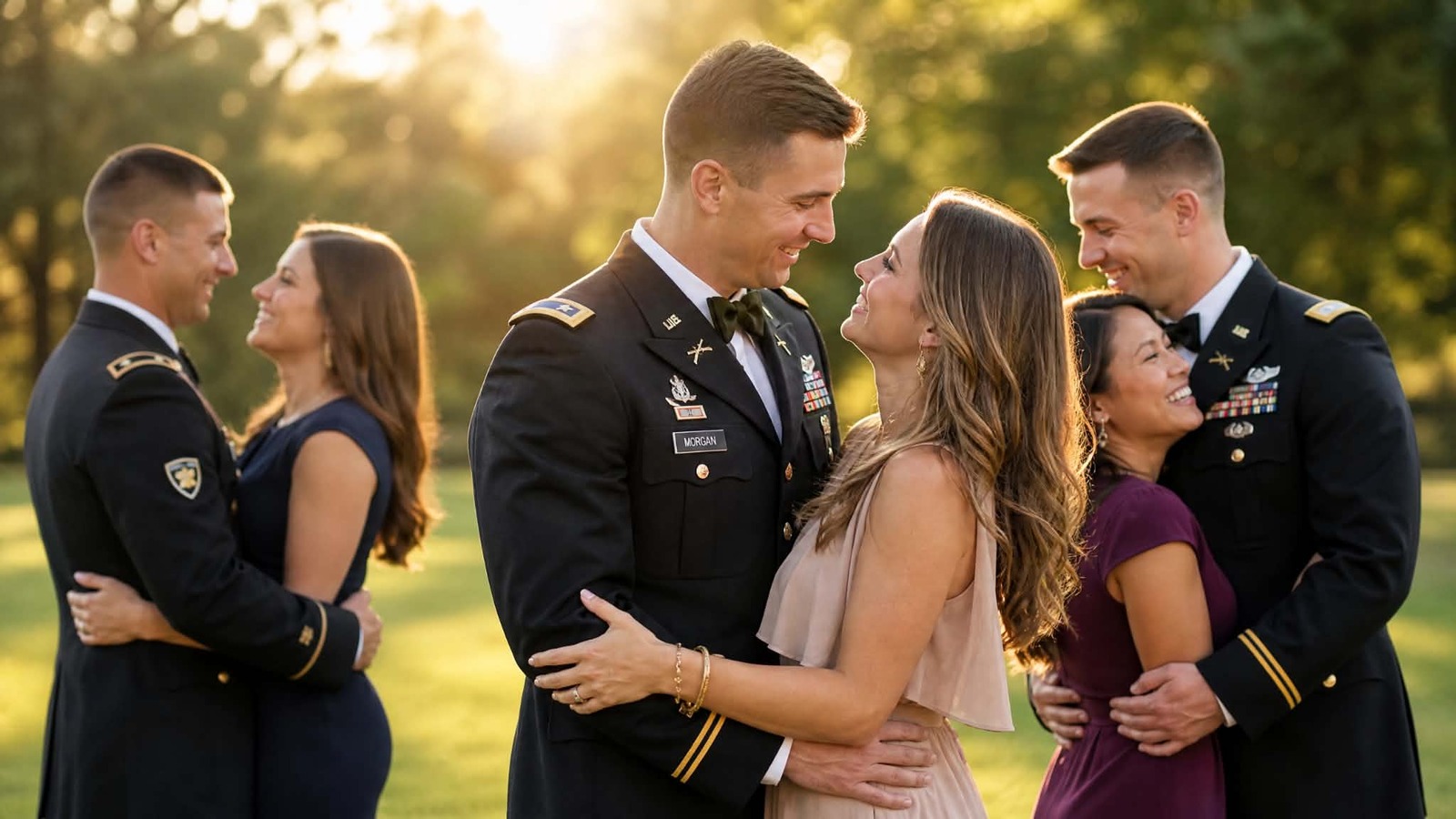
Behind every military relocation is more than just a move.
For service members and their families, a Permanent Change of Station (PCS) is a structured process that requires coordination across housing, transportation, family readiness, health care access, and emotional adjustment. Each transition brings both logistical and personal changes that must be managed at the same time.
Military OneSource provides centralized tools and support services designed to guide families through every stage of this process. For many military families, educational continuity and career development are also important parts of maintaining long-term stability during relocation. Organizations like World Education continue to support flexible online learning opportunities that can adapt alongside military life and changing duty stations.
PCS Planning and Relocation Support
PCS preparation begins with understanding timelines, entitlements, and required steps before and after a move. Families are encouraged to use structured planning tools that help organize relocation tasks and reduce uncertainty throughout the transition.
Support is also available through installation Relocation Assistance Programs, which provide direct guidance on housing, child care coordination, spouse employment support, medical services, sponsorship programs, and move scheduling assistance.
Additional resources include installation-specific information, customized relocation checklists, benefits and entitlements guidance, and tools that help families settle more effectively into new duty stations.
Source:https://www.militaryonesource.mil/moving-pcs/plan-to-move/pcs-and-military-moves/
Child Care Resources During PCS
Child care is often one of the most immediate concerns during a PCS, particularly when relocating to a new installation or overseas location where availability may differ.
The Military Child Care system provides access to licensed child care programs, allowing families to search for providers, review availability, and navigate enrollment processes. These programs are designed to support continuity of care while also offering affordability options through income-based fee structures.
Source:https://public.militarychildcare.csd.disa.mil/mcc-central/mcchome/
Mental Health and Crisis Support
PCS transitions can create emotional strain due to changes in environment, separation from support networks, and disruption of daily routines. These stressors may increase vulnerability during periods of adjustment.
Military OneSource identifies several risk factors for emotional distress, including deployment transitions, relationship challenges, financial stress, difficulty readjusting to military or civilian life, and prolonged psychological strain.
Warning signs may include significant behavior changes, withdrawal from others, hopelessness, increased substance use, or expressions of self-harm or suicidal thoughts.
Relationship and Family Support Resources
Frequent relocations and operational demands can place pressure on communication patterns, routines, and family stability.
Military OneSource provides a range of support tools designed to help couples and families maintain connection throughout these transitions. These include counseling services, financial counseling, chaplain support, relationship-building tools, deployment checklists, and structured guidance for navigating different stages of military life.
These resources are designed to support both day-to-day communication and long-term relationship stability during periods of change.
Source:https://www.militaryonesource.mil/relationships/married-domestic-partner/military-relationships-hq/
Beyond the Move
A PCS is not only a relocation event but an ongoing transition that continues well after arrival at a new duty station. Families often spend additional time adjusting to new environments, rebuilding routines, and re-establishing support systems.
The resources outlined above address different stages of that experience, from initial planning and logistics to emotional support and family stability. Together, they form a structured network designed to help service members and their families navigate PCS transitions with clarity and support at every stage.
As military families continue adapting to new locations and responsibilities, access to flexible education and career-focused training can also play an important role in building stability and long-term opportunity throughout those transitions.